
"Brazilian coffee price"
2000 article(s) found

What kind of Brazilian Santos coffee beans do you have? the world famous brand of Brazilian Santos coffee.
Professional coffee knowledge exchange more coffee bean information please follow the coffee workshop (Wechat official account cafe_style) Brazil Santos varieties from South America Brazil is the world's number one coffee producer, accounting for about 30% of the world's total production. Almost all Santos coffee is produced in southeastern Brazil and is the best coffee in Brazil. Raw bean granules range from medium to large, but without green

Introduction of Brazilian boutique coffee bean manor with low acidity and moderate bitterness
Brazilian coffee generally refers to coffee produced in Brazil. There are many kinds of coffee in Brazil. Like other Arabica coffee, Brazilian coffee is called Brazilian coffee Brazils to distinguish it from Milds coffee. The vast majority of Brazilian coffee is unwashed and sun-dried and is classified according to the name of the state of origin and port of transport. Brazil has 21 states and 17 states produce coffee, but among them

Description of Flavor of Brazilian Coffee with mild Flavor characteristics of Grinding degree and introduction to the taste manor of varieties in producing areas
The largest coffee producer, which accounts for 1/3 of the world's coffee consumption, accounts for 1/3 of the world's coffee consumption and has a place in the global coffee market, although Brazil faces several times more natural disasters than other regions. but its acreage is enough to make up for it. Brazilian coffee fruit there are many kinds of coffee here, but its industrial policy is large and cheap.
Brazilian Coffee Manor and description of its Taste and Flavor introduction of varieties produced in planting environment
Brazilian Coffee Manor and Flavor description growing Environment Variety introduction since the introduction of coffee trees from French Guiana (Guyana) in 1720, coffee production has gradually become a science. Before 1990, the Brazilian government carried out strict monitoring of the coffee industry, with both strict intervention and price protection measures, and the state has been implementing minimum price protection measures for farmers.

How to Drink Deep Roasted Brazilian Coffee Bean in Minas del Sur_Brazilian Coffee Bean Flavor Description
Professional coffee knowledge exchange More coffee bean information Please pay attention to coffee workshop (Weixin Official Accounts cafe_style) The description of Brazilian coffee beans has always been blank. First, I am lazy, and second, this bean is too ordinary. It is simply ordinary and has nothing to highlight. As the world's largest coffee bean producer, Brazil is close to producing green coffee beans.

Boutique coffee beans Brazilian coffee the latest introduction to low acidity, moderately roasted coffee beans
Brazilian coffee generally refers to coffee produced in Brazil. There is a wide variety of Brazilian coffee, the vast majority of which are unwashed and sun-dried, classified according to the name of the state of origin and the port of transport. Brazil has 21 states and 17 states produce coffee, but four of them produce the largest, accounting for 98% of the country's total output. Brazilian coffee has a low sour taste, which goes well with coffee.

Coffee futures prices fall as Brazilian entities continue to decline
London: Arabica coffee futures fell on Thursday as the weak currency of Brazil's top growers pushed contracts to a two-month low, triggering a technical sell-off and raw sugar futures fell. Coffee * March Arabica coffee fell 1.3 per cent to 97.60 cents per pound at 1409 GMT, the lowest since December 18. * Brazilian real
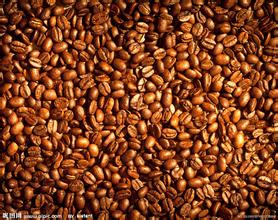
The method of Grinding Calibration for describing the Flavor of Brazilian Yellow bourbon Coffee Bean Variety
Brazilian Yellow Bourbon Coffee Variety Flavor description Grinding scale treatment Old bourbon Coffee is grown in some estates in the Serrado district of Minas Greais state in southeastern Brazil. These estates, such as Capin Branco and Vista Allegre, grow old varieties of bourbon coffee

Introduction to the description of the flavor of the varieties and the taste characteristics of Brazilian coffee with extremely smooth entrance
General agricultural materials, completely abandon the flavor and disregard. As a result, many select coffee companies simply do not sell Brazilian beans so as not to demean themselves. In select coffee shops, Brazil's santos coffee still appears occasionally, but it is Bourbon Santos (bourban santos) rather than low-cost flat bean Santos. Santos is a descendant of the Bourbon species, so the port of Santos exports

Brazilian Coffee Flavor and Taste the manor area introduces the characteristics of Brazilian coffee
Although coffee is diverse, Brazilian coffee is suitable for the taste of the public. For example, coffee produced in the northern coastal areas has a typical iodine taste, reminiscent of the sea after drinking. This coffee is exported to North America, the Middle East and Eastern Europe. Another kind of coffee that is interesting and worth looking for is washed Bahia. This kind of coffee is not easy to find, because after the United States

Low acidity Brazilian Coffee Flavor and taste introduction to the characteristics of Fine Coffee beans in Manor area
Brazilian coffee generally refers to coffee produced in Brazil. There are many kinds of coffee in Brazil. Like other Arabica coffee, Brazilian coffee is called Brazilian coffee Brazils to distinguish it from Milds coffee. The vast majority of Brazilian coffee is unwashed and sun-dried and is classified according to the name of the state of origin and port of transport. Brazil has 21 states and 17 states produce coffee, but among them

Global Coffee production Brazilian Coffee Market
Brazil is vividly compared to the giant and monarch of the coffee world. There are about 3.97 billion coffee trees there, and small farmers now grow 75% of the country's coffee. The number of coffee producers in Brazil is twice or even three times that of Colombia, the second largest coffee producer in the world. Coffee production in Brazil: Mi in southeastern Brazil

Brazilian Coffee Flavor Description Grind Scale Production Region Variety Treatment Taste Introduction
Unlike in the past, Brazil's economy is now less dependent on coffee, which accounts for only 8 - 10% of GDP. Before World War II, Brazil accounted for 50 percent or more of the world's coffee production, and now it's close to 30 percent, but the country's influence on coffee worldwide, especially on coffee prices, has been significant, as two frosts in 1994 caused global coffee prices to rise.

Introduction of Brazilian Coffee Bean planting cost Brand characteristics, Flavor description and Taste varieties
Brazilian Coffee Bean planting cost Brand characteristics Flavor description Variety introduction since the introduction of coffee trees from French Guiana (Guyana) in 1720, coffee production has gradually become a science. Before 1990, the Brazilian government carried out strict monitoring of the coffee industry, with both strict intervention and price protection measures, and the state has been implementing minimum price protection measures for farmers.
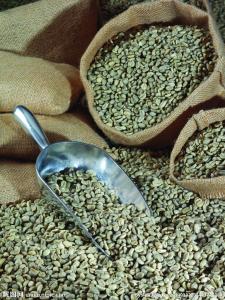
Brazilian officials predict that this year will be a bumper harvest of coffee beans.
Dunkin Donuts said that they provide price advice to franchisees, but the final pricing is determined by individual franchisees. According to the report, the retail price of Starbucks' superstore coffee may be reduced, but it is impossible for the store to follow suit. Starbucks will only continue to raise prices in the future, and no matter how the price is adjusted, consumers are willing to pay in addition to the minimum wage pressure. there are also many markets.

Latest information Brazilian coffee exports fell 27% year on year in August global coffee prices soared nearly 50%
Brazilian coffee exports fell 27 percent year-on-year in August Brazilian coffee exporters Cecaf said that Brazilian coffee exports fell 27 percent year-on-year to 2.33 million bags (60 kilograms each) in August because containers and shipping space were hard to find. It is shown in Cecaf's monthly report
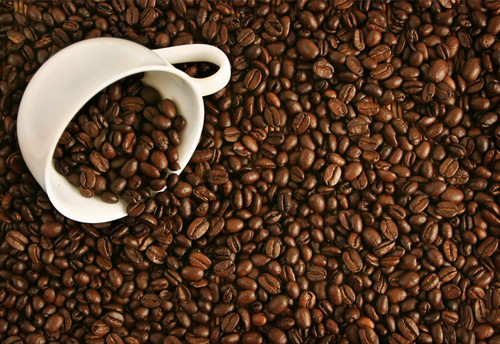
The weak Brazilian currency, the falling price of coffee beans, the Singapore operator's purchase of US dollars is difficult to gain.
According to Singapore's Lianhe Zaobao on September 16, the rating of Brazil, the world's largest coffee supplier, has been downgraded, causing coffee prices to fall to a new low. But Singapore coffee makers buy in US dollars, and the cost of coffee beans has not fallen significantly in an environment where the Singapore dollar has fallen against the US dollar. Standard & Poor's (Standard and Poors), an international credit rating company, last week put Brazil's debt

A balanced taste of Brazilian sirado fine coffee beans Cultivated market price profile
The Kaseru establishment, quality assurance has previously been neglected, established on the basis of logistics barcodes, merchandise exports, can now balance production history. In 2003, the Specialty Coffee Association of America (SCAA) concluded that coffee SCAA flavor types will be promoted to expert consensus and separately excluded from previous evaluations on the basis that taste is now critical. After that, on the Serra
Basic knowledge of boutique coffee Brazilian coffee
Brazil is vividly compared to the giant and monarch of the coffee world. There are about 3.97 billion coffee trees there, and small farmers now grow 75% of the country's coffee. The number of coffee producers in Brazil is twice or even three times that of Colombia, the second largest coffee producer in the world. Coffee production in Brazil: Mi in southeastern Brazil
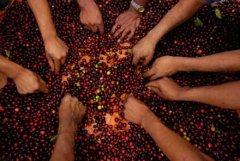
The characteristics and Market of Brazilian Coffee
Brazil is vividly compared to the giant and monarch of the coffee world. There are about 3.97 billion coffee trees there, and small farmers now grow 75% of the country's coffee. The number of coffee producers in Brazil is twice or even three times that of Colombia, the second largest coffee producer in the world. Coffee production in Brazil: Mi in southeastern Brazil